Trying something new is always easier when you know what to expect.
That is especially true with EMS. A lot of first-time clients are curious about the workout, but still have questions like: What does it actually feel like? What do you do for 20 minutes? Is it complicated? Is it intense?
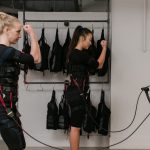
At BodyPulse, we keep the experience simple, guided, and clear. You wear an EMS suit that helps support stronger muscle contractions while you do simple, low-impact movements with a licensed EMS trainer. The workout itself is 20 minutes, and your session is personalized from the start.
If you are curious about trying EMS at BodyPulse, here is what a session looks like from start to finish.
Before you start: quick prep checklist
Before your first EMS workout, there are just a few simple things to know.
Hydrate well. Have a light meal 1 to 2 hours before your session. Go east on caffeine or fasting before hand, it is worth knowing those can increase sensitivity.
For your first visit, your Intro Session includes an initial consultation, an EMS introduction, your starter kit rental, and a 20 minute intro workout. Clients usually train barefoot or in socks unless they need shoes or orthotics. Towels and water are provided.
You will also complete a medical history form and sign the contra indicator waiver before your first session. If you have a health or device-related question, the team follows a screening process rather than clearing it casually over chat.
How the suit feels
The best way to describe the sensation is this: a strong, deep muscle squeeze.
It should not feel like a zap or shock. The pulse runs in on and off intervals, so when it is on you feel the muscles working, and when it is off you get a brief pause. Trainers build intensity gradually and adjust it per muscle group so the session feels challenging but controlled.
For many first-time clients, the sensation feels new at first. That is normal. Most people settle into it quickly once they understand the rhythm and start moving with the trainer’s cues. The aim is always strong but comfortable, never pain. If anything feels painful or wrong, the trainer stops and adjusts right away.
The 20 minute workout
A lot of people hear “20 minutes” and wonder how it all fits together.
The important distinction is this: The workout itself is 20 minutes. Around that, your full session includes the check-in, suit setup, coaching, and post-session debrief.
Inside the workout, those 20 minutes are coached minute by minute. You are moving, resetting, listening to cues, and learning what the pulse feels like in different patterns. Because multiple muscle groups are working at once, the session often feels full and focused even though the movement stays simple. That is a big part of why an EMS workout can feel so time efficient.
Trainer guidance during the session
Most sessions follow a clear rhythm: a simple setup, a coached movement, short cues to help with form and comfort, then a reset before the next effort.
The movements are usually simple, low-impact patterns your trainer coaches carefully. Think squats, hinges, pushes, pulls, holds, and core bracing. That simplicity helps the coaching stay clear. Your trainer can focus on your form, your pace, your range of motion, and your comfort instead of rushing you through something complicated.
This is also why EMS training at BodyPulse feels different from a traditional gym session. It is coach-led, trainer-led and personalized, and built around simple movement done well.
What happens after the session
After your EMS workout, keep recovery simple.
Hydrate more than usual. Eat a balanced meal within a couple of hours. Prioritize rest or light movement. Before you leave, your trainer should debrief the session with you, talk through how it went, explain recovery guidance, and help with the next booking step.
FAQ: soreness, hydration, recovery, next steps
Will I be sore?
Some soreness is normal, especially after your first session or first few sessions. About 5 days of recovery time may be suggested before your next EMS session. After the intro, most clients do 1 to 2 sessions per week, with recovery time between sessions.
How much should I hydrate?
Hydrate well before your session, then hydrate more than usual after. That is the simplest and most consistent guidance.
How do I know if it is working?
For most people, the first signs are about feel, not dramatic transformation. You may notice the movements feel clearer, your control improves, and the session feels less unfamiliar. BodyPulse focuses on consistency, coaching, and small wins, not hype.
Is the EMS workout painful?
It should not feel painful. It can feel intense, but the trainer builds gradually. If anything feels painful or wrong, the session is adjusted immediately.
For current clients: how to get more from the same 20 minutes
If you already train at BodyPulse, better sessions do not always come from doing more.
Often they come from doing the basics better: slowing the pace slightly, breathing more steadily, listening closely to the cue, and using the range of motion you can control well that day. Because the movements are simple, small improvements in form and focus can make a big difference.
You’re all set for your EMS session
A BodyPulse EMS workout is designed to feel clear from the moment you walk in.
You check in. You get guided into the suit. You do simple, low-impact movements with a trainer. You feel the pulse in on and off intervals. You work hard, but in a controlled way. Then you recover well and build from there.
If you are curious about trying EMS at BodyPulse in Vancouver, Kitsilano, or West Vancouver, this is what you can expect: a coached, efficient, welcoming session that meets you where you are.
Book your Intro Session
Question before you book? Contact us.
Already a client? Book your next session here.
See you at the studio.